JOURNAL ENTRY #001
LEARNING TO STRAY
I never thought losing my job during COVID would lead me here.
At the time, like a lot of people, I had no real idea what came next. I certainly didn’t imagine it would eventually lead me into an industry where I could make a living being creative, or to working for someone who encouraged curiosity, experimentation and even rest as part of doing good work.
That someone was Jamie Henshall from TNM Creative Media.
Technically Jamie was my boss, but it never really felt like that in the traditional hierarchy sense. His way of working was completely foreign to me at first. There wasn’t the rigidity I thought work was supposed to have.
There was room to follow an idea simply because it was interesting, to experiment without knowing whether something would work, or disappear down a rabbit hole, learn something new and bring it back to the work. Sometimes there was even room to just stop, walk away from something and come back to it later.
It took me a long time to acclimatise to that.
Maybe some of that came from the fact that neither of us had followed a particularly traditional path into the industry.
We’d both spent a huge part of our working lives in hospitality and kitchens and, to an extent, I think we still operated like we were in one. There was a sense of urgency to everything. You figured shit out, got the job done and looked after the people around you. Just as important as the end result was making sure the people you were working with actually enjoyed the experience of working with you.
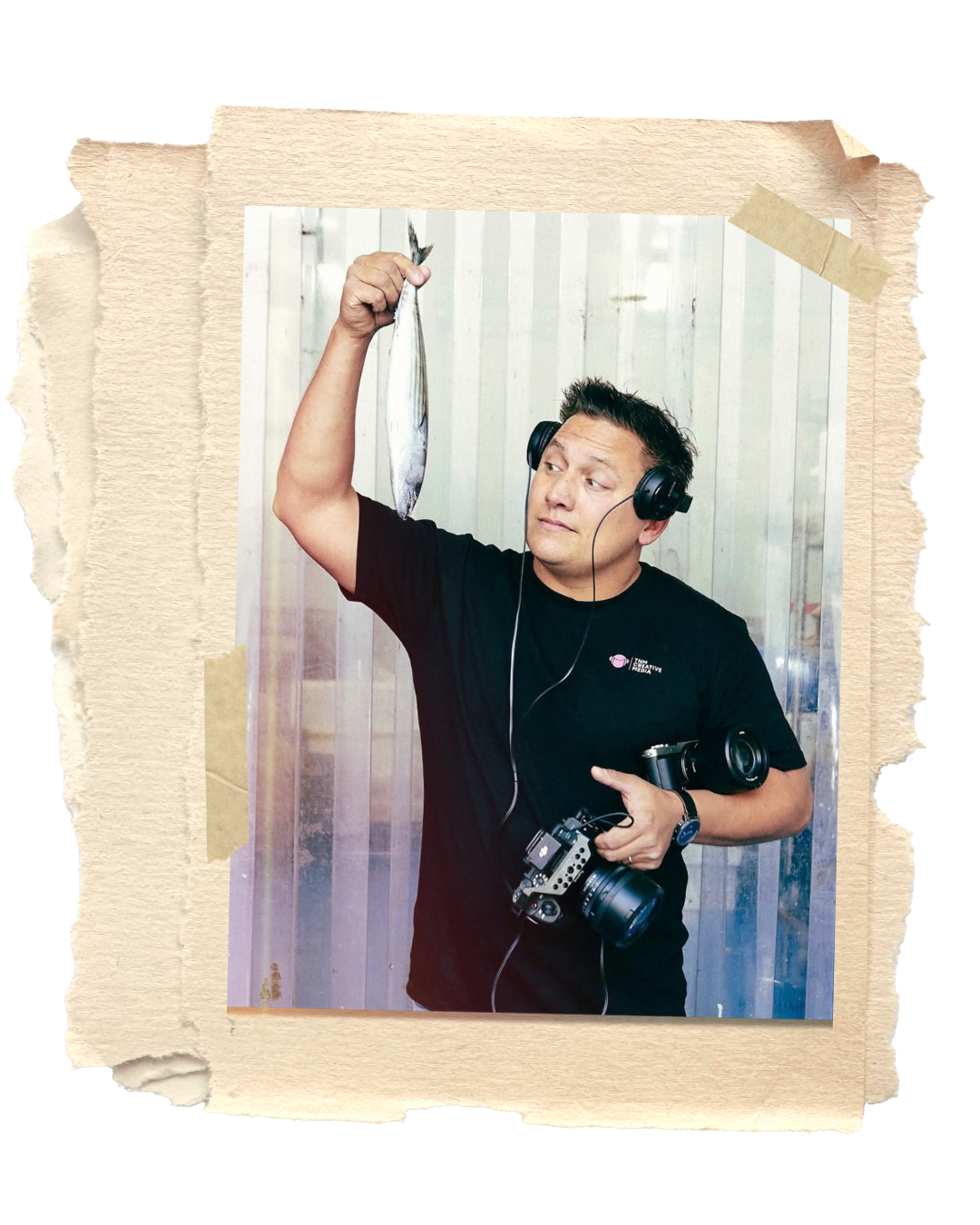
‘There was a sense of urgency to everything’
You figured shit out, got the job done and looked after the people around you.
Similar to Jamie, I didn’t have a fancy marketing degree teaching me how creative work was supposed to happen.
A lot of my exposure to the creative process was actually from the other side of it — coordinating jobs, chasing things, waiting on client approvals and watching timelines stretch out as work moved through feedback and multiple sets of hands.
Something could start as a great idea and feel pretty painful by the time it actually made its way out into the world.
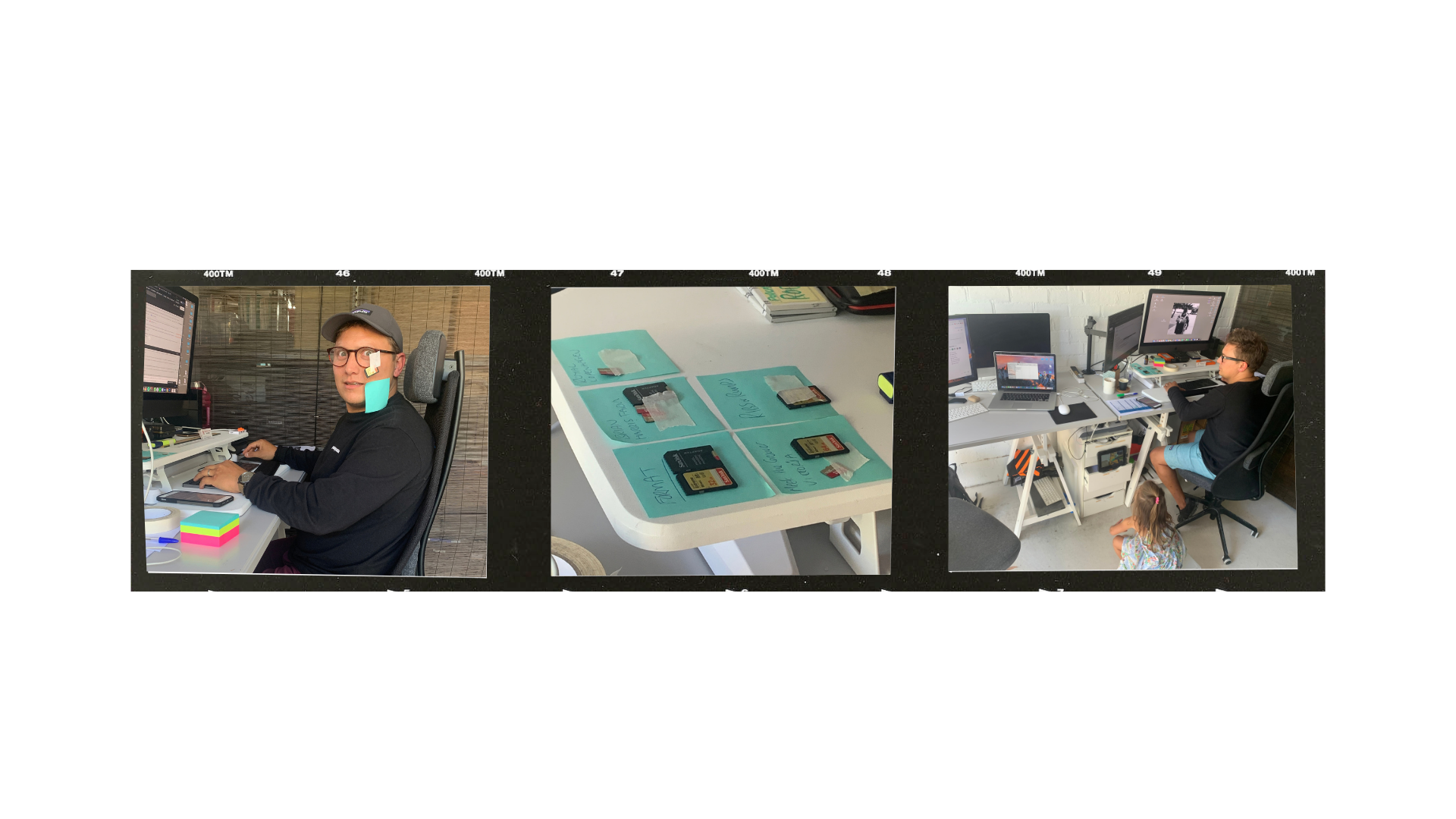
Working at TNM was completely different.
The team was small and I got to learn by actually doing. Photography, video, design, websites — whatever the job needed, if I didn’t know how to do something, I could usually go away, figure it out and come back with something.
What felt to me like Jamie’s wildly unconventional way of operating slowly became the way I learned to work.
I liked being part of a small team.
I liked being able to follow something from an initial idea through to actually making it, rather than handing pieces of it backwards and forwards between different people.
Learning to do so much myself gave me more control over timelines, but it also made me much more invested in the work because I understood how all the pieces fitted together.
“after being diagnosed with ADHD, I realised that a lot of what I’d learned during those years wasn’t just how I liked to work.
In many ways, it was how I needed to work.”
I’m convinced that working at TNM, and having Jamie challenge what I thought a traditional working relationship had to look like, taught me to give myself a bit more grace. If I couldn’t force myself to finish a project, or there was a job I was really, really struggling with, sitting there beating myself up about it usually wasn’t going to get it done any faster.
Sometimes my brain was just telling me I needed to walk away for a while. Go outside, work on something else, follow another idea and come back tomorrow.
For a long time I probably would have seen that as being lazy, distracted or lacking discipline. Instead, I started learning how to work with the way my brain operated rather than constantly fighting against it. More often than not, I’d come back and do more meaningful work because of it.
I didn’t realise at the time just how much all of that would shape what came next. Jamie encouraged me to be curious and backed me when I wanted to try something, even when neither of us really knew where it would lead. He also pushed me when he knew I was capable of more, including plenty of times when I really, really didn’t want to be pushed.
CLARITY IN THE CHAOS
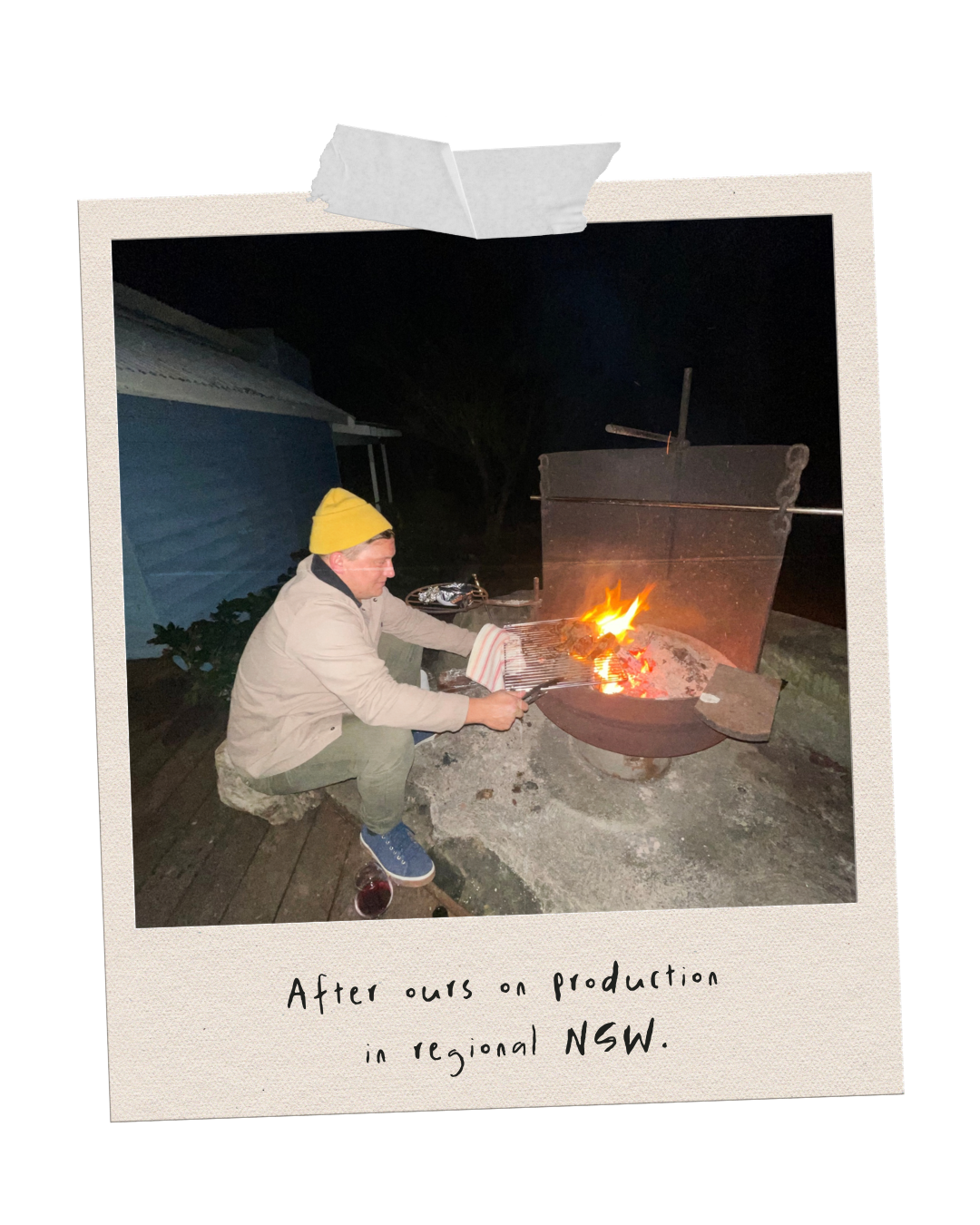
Somewhere along the way, our relationship changed too.
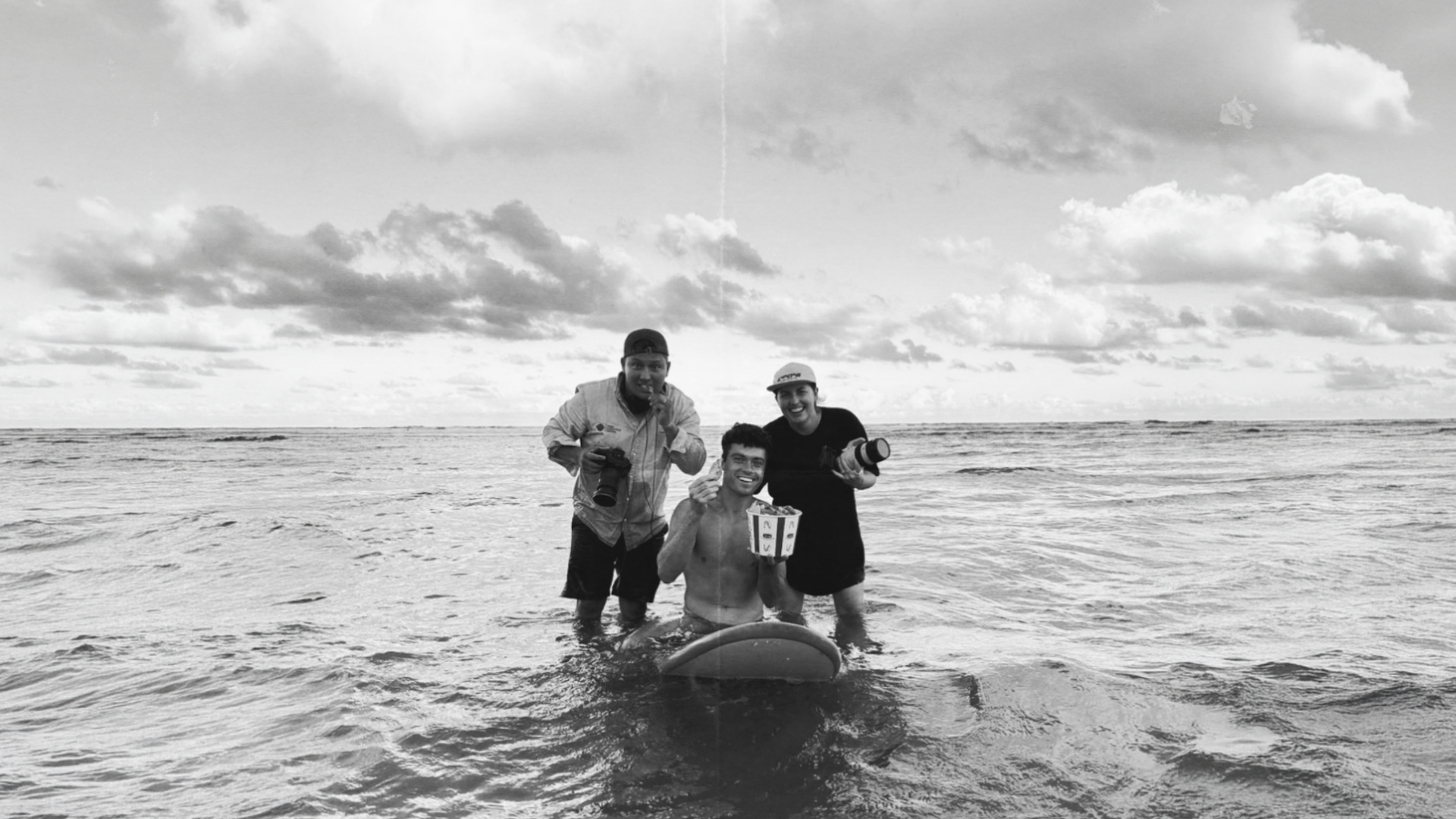
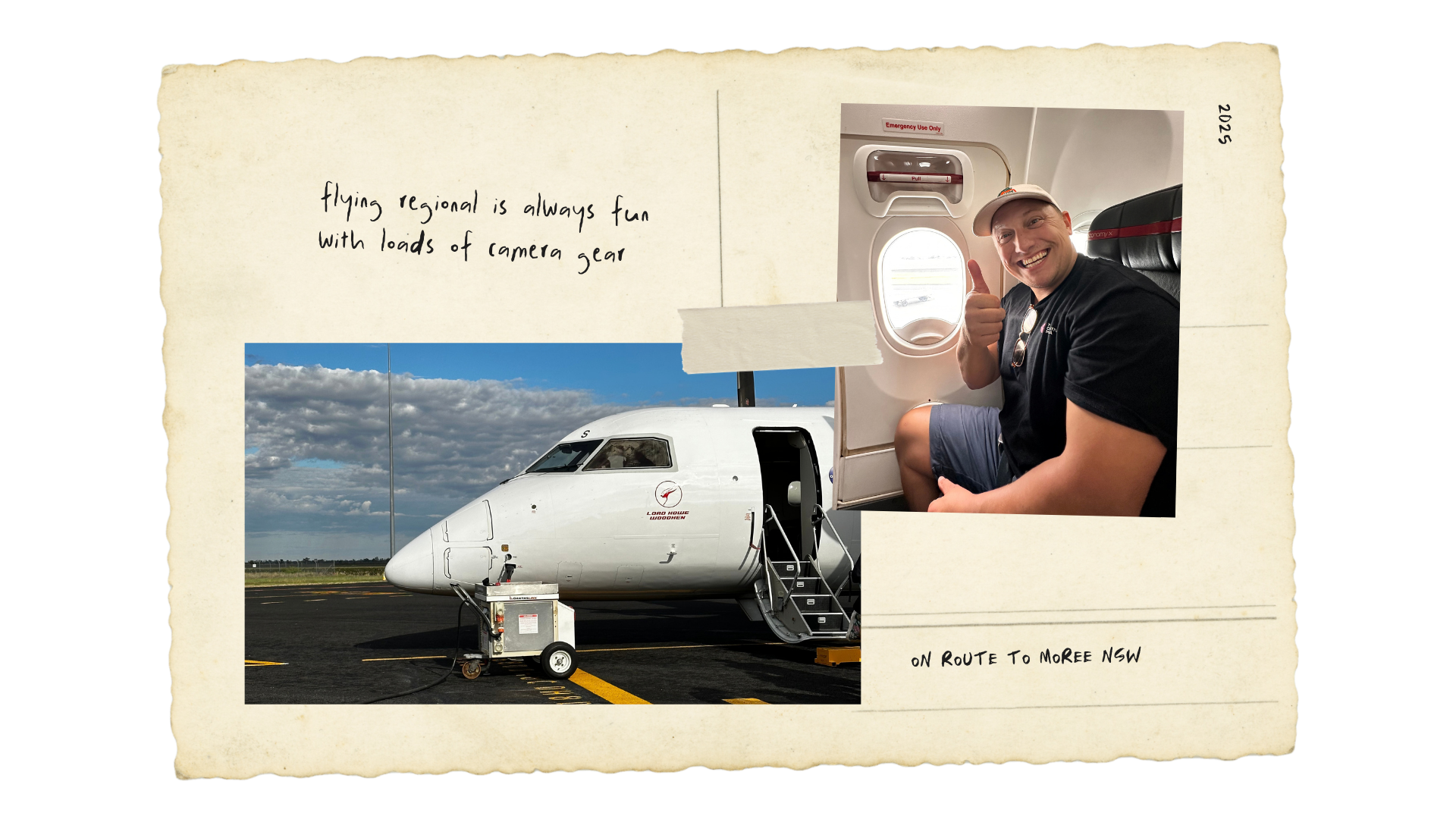
I think there’s something that happens when your job involves spending that much time on the road with another person. We work with business owners to tell their stories and create content for their businesses, and the nature of that work means you’re constantly bouncing around Sydney or jumping on a plane to somewhere else in Australia. A lot of the actual relationship-building happens in the bits nobody sees.
We’ve spent countless hours sitting next to each other on planes, sharing hotel rooms, sleeping in swags in paddocks and driving home after filming outside in 35-degree heat all day when we both absolutely stink. There have been plenty of moments sitting on milk crates out the back of a restaurant or event trying to catch our thoughts for two minutes before having to go again. God, we’ve found ourselves in some weird scenarios over the years.
When you spend that much time together, you eventually run out of small talk.
Somewhere amongst all those hours in cars, airports, paddocks and hotel rooms, we talked about work, relationships, family, business, what we wanted from life and, naturally, solved most of the world’s problems along the way.
“I learned to give myself a bit more grace.”
What started as a working relationship built around creativity became a friendship, and that friendship eventually opened the door to mentorship. Not just in photography, film or storytelling either. Jamie became someone I could learn from about business, people, perspective and, probably most importantly, how not to lose sight of what really fills your cup and the things that matter outside of work.
A lot of what I believe about creative work now can be traced back to those years: that good work needs space, curiosity is productive, experimenting with something doesn’t need to have an immediate commercial purpose, and rest isn’t something you have to earn by completely exhausting yourself first.
I also learned that you don’t always need to know exactly where something is going before you start.
That last one has probably
stuck with me more than anything else.
FOLLOWING THE THREAD
I think a natural progression of being a creative is eventually feeling a pretty deep need to find your own voice amongst all the noise. By then, I’d been working with a handful of producer clients through TNM and had completely fallen in love with agriculture. I loved the people, the landscapes and the work itself, but more than anything I loved how much there was beneath the surface. Behind every business there seemed to be families, generations of knowledge, risk, change and stories that had rarely been told outside the industry.
Over time I started feeling pulled towards that work more and more. Eventually, I knew I wanted to put all of my energy into working with producers and businesses across agriculture and give myself the space to figure out what my own version of storytelling within the industry could look like.
That meant stepping away from TNM and going out on my own to build Stray Studio.
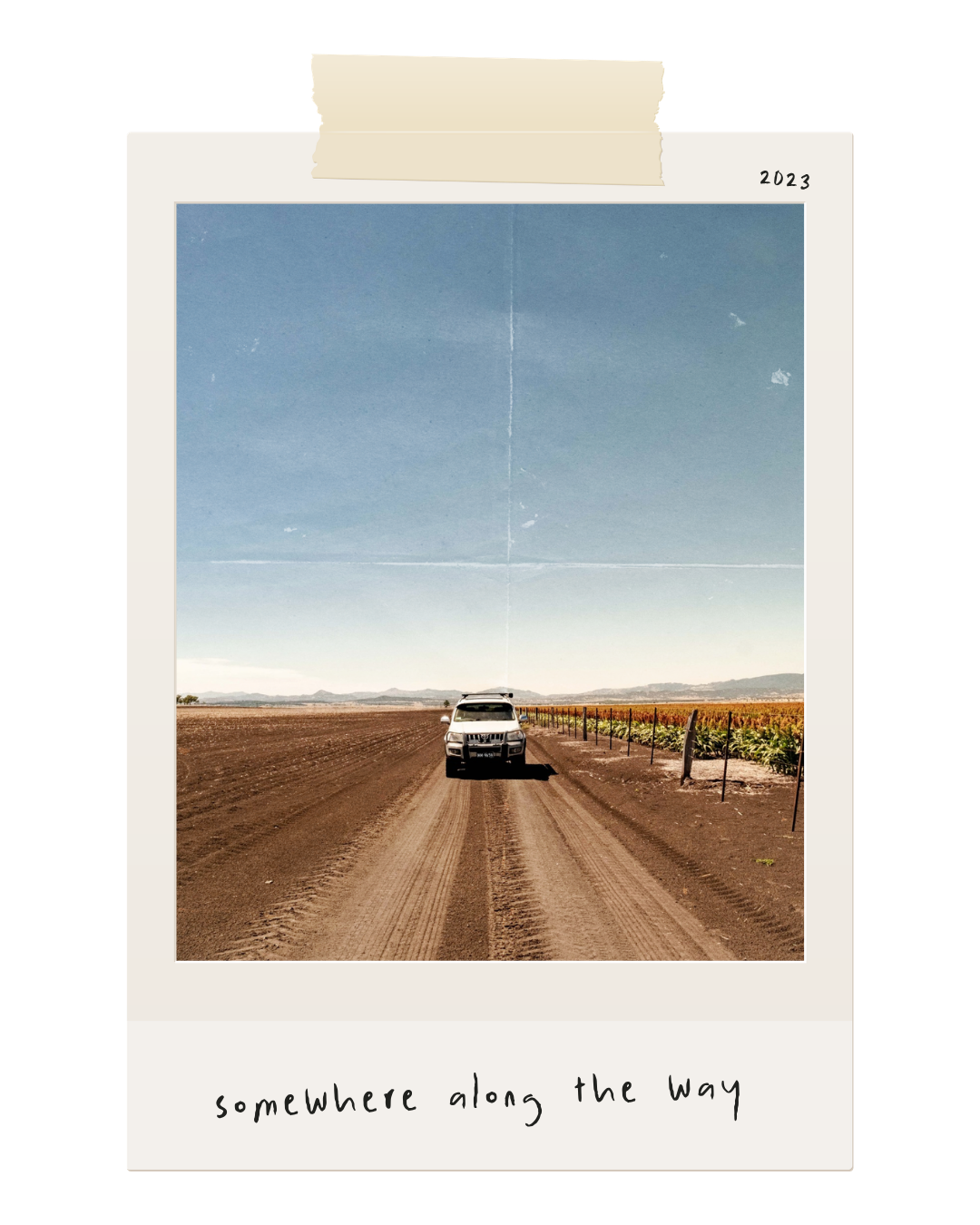
There were definitely never any five-year planning stages, but I put the most trust in what I’d been taught to rely on most at TNM — my gut.
To stray is to move away from the route you originally intended to take, and very little about how I ended up here was planned.
I lost a job, fell into a completely different industry, picked up a camera with intention, learned how to make films, started working in agriculture and eventually built a business around it.
And as it turns out, neither Jamie nor I are strangers to working things out on the fly or pivoting at the speed of light so it didn’t take us particularly long to figure out what the next chapter of our working relationship looked like either.
That’s really what inspired the name ‘Stray.’
A few months after I stepped away, we’d worked out what our new partnership could look like, officially launched it and had our first project through the door.
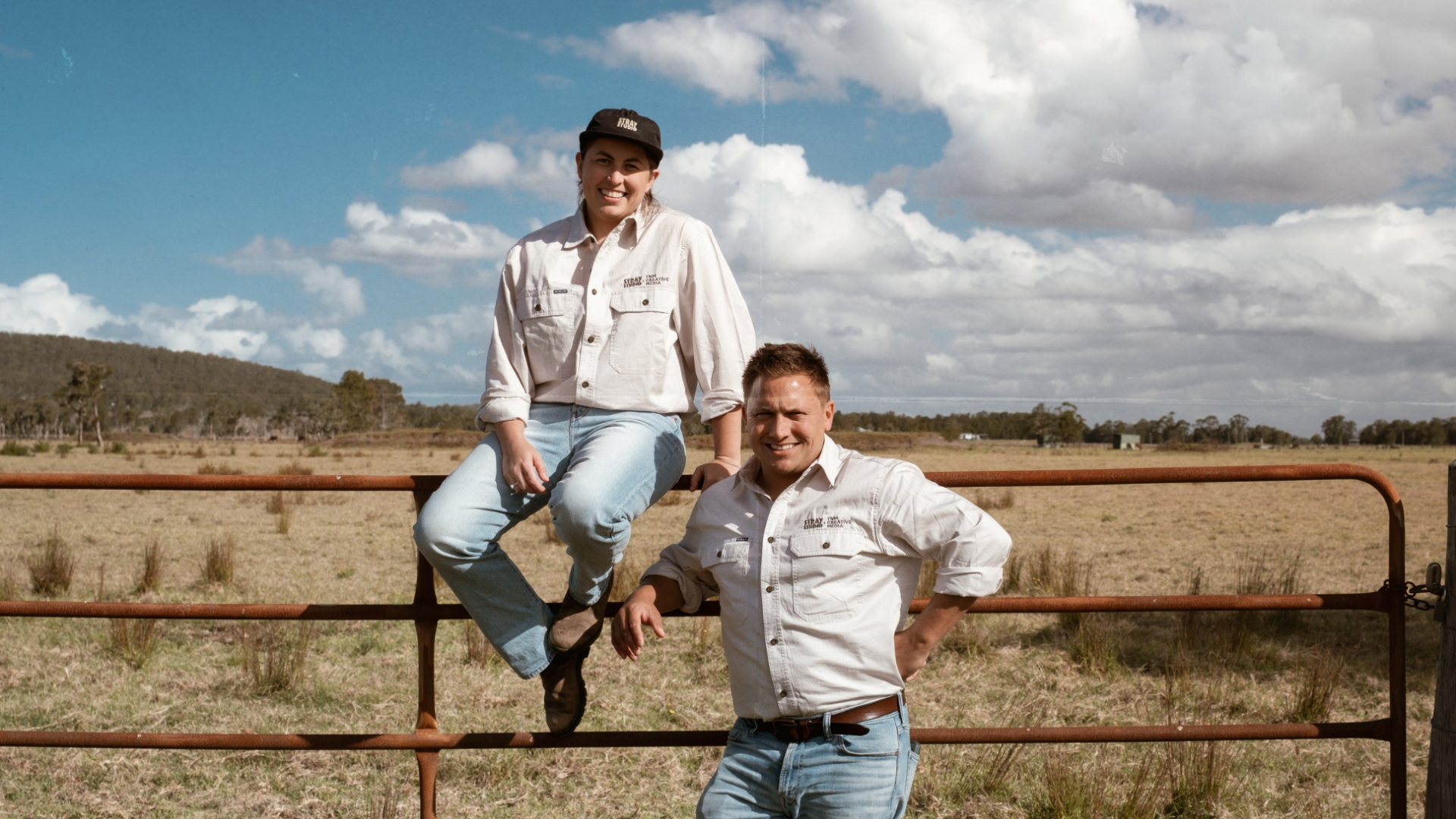
The dynamic had changed though. It wasn’t boss and employee anymore. It was two friends and collaborators bringing different experiences and strengths to the table, but sharing a lot of the same ideas about people, work and what makes a story worth telling.
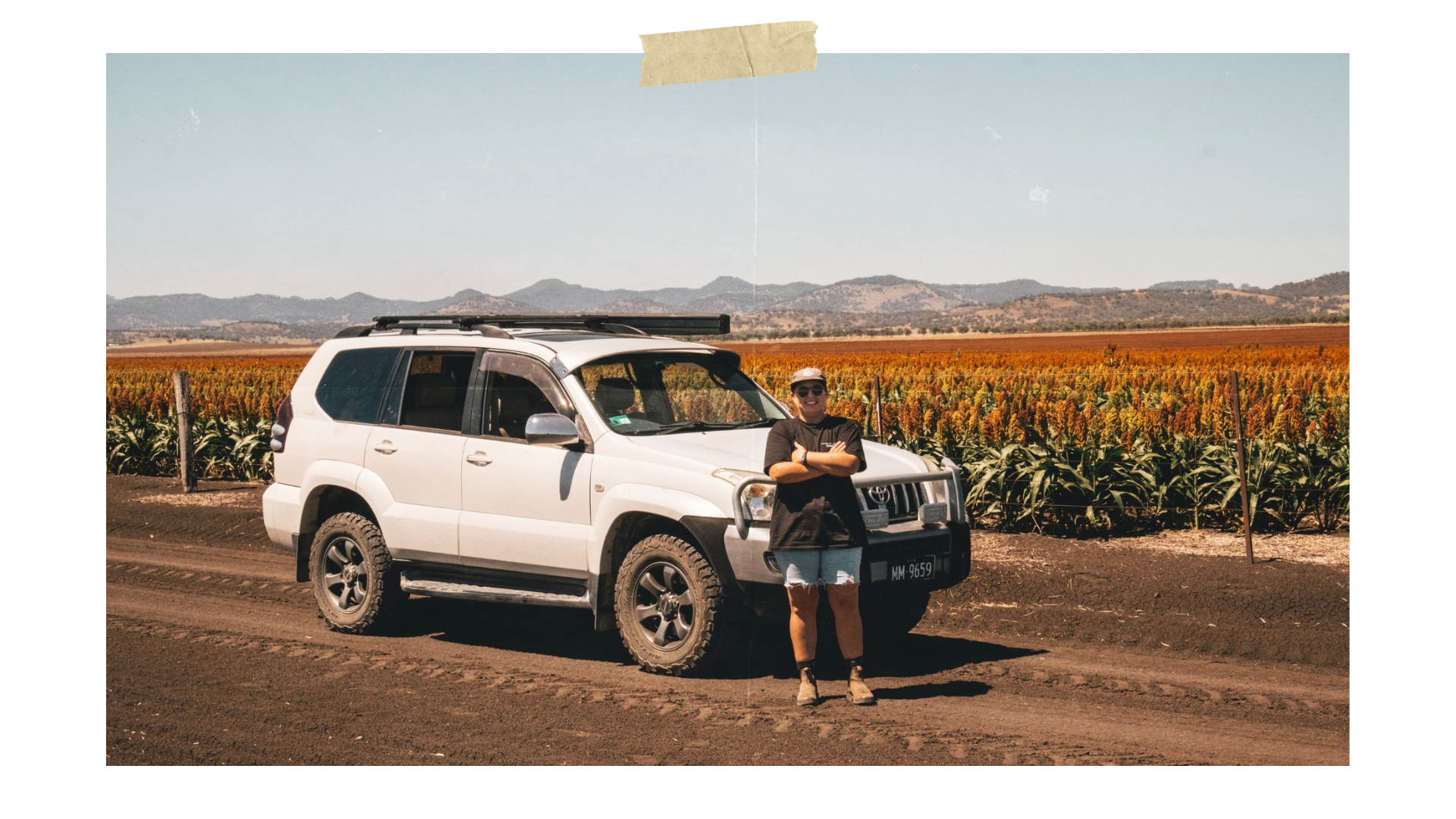
“There was also a friendship wrapped up in it by then, and that mattered far more to me than any job”
Funnily enough, telling Jamie was one of the hardest parts. I knew he would understand, but when you’ve learned almost everything you know working alongside someone, telling them you want to leave and build something of your own is still an uncomfortable conversation to approach. There was also a friendship wrapped up in it by then, and that mattered far more to me than any job.
I always knew I still wanted Jamie to be part of whatever came next. I just didn’t know what that looked like yet. Something I’ll forever be grateful for is how receptive he was to that. There was never a sense that leaving TNM meant closing the door on everything we’d built together; it was more about working out what the next version of it could be.
THE NEXT CHAPTER
Years after that first working relationship began, we’ve somehow found ourselves back where a lot of this started for us:
Making things together, solving problems, challenging each other and telling stories about people, businesses and the industries that feed us.
There’s something that feels incredibly special to me about that.
COVID cost me a job I thought I needed. At the time, I couldn’t have known that losing it would introduce me to a completely different way of working, or to someone who would have such a lasting influence on the kind of creative, business owner and person I wanted to become.
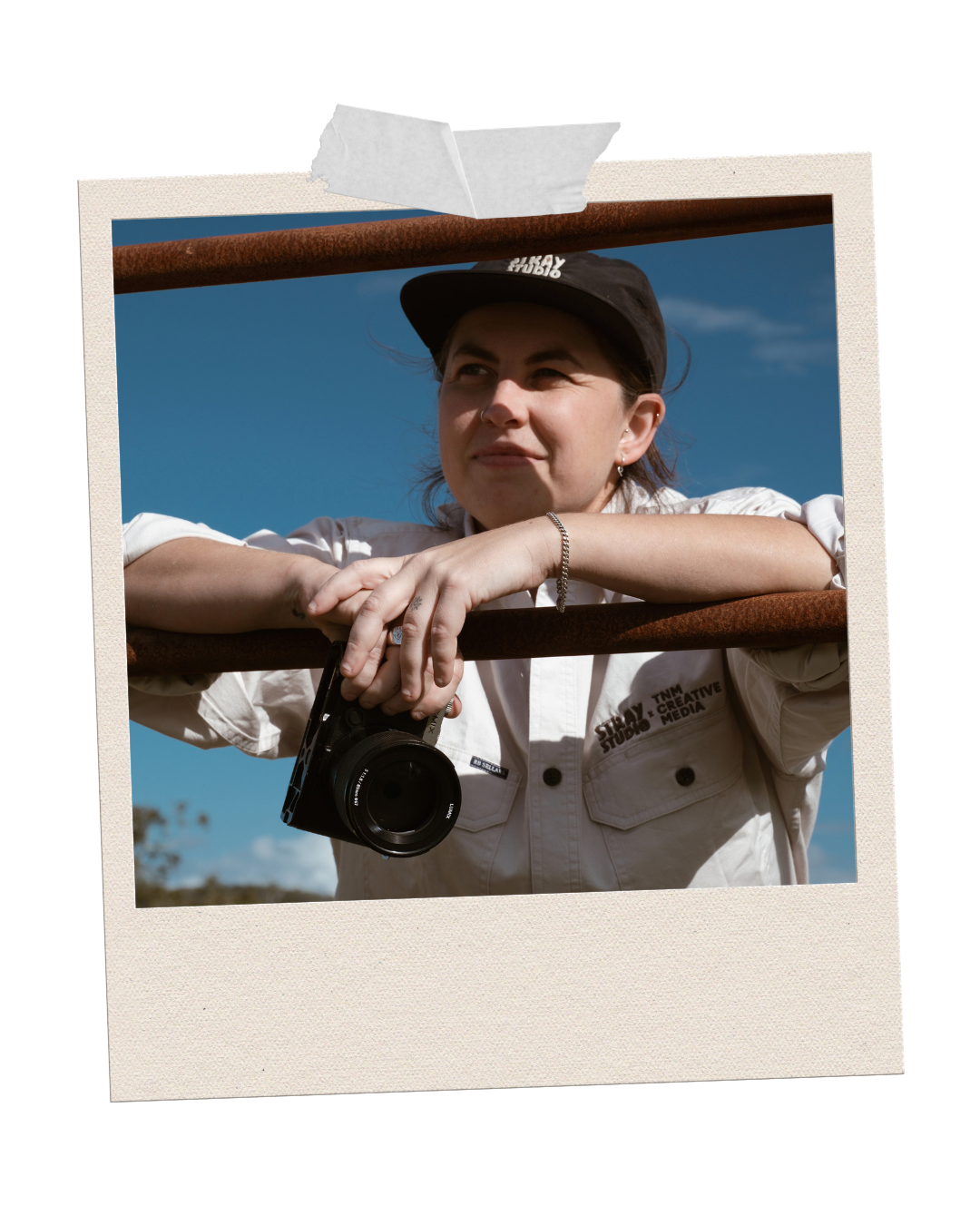
Stray Studio is my business, but there are fingerprints from a lot of people on the way I’ve built it.
Jamie’s are some of the clearest.